

 Posts
Posts


These days, being in the arts is generally thought to mean being politically on the left. Despite the fact that some of the biggest names have let slip that they are not really with the program: Bob Dylan, Jack Kerouac, Andy Warhol.
Folks forget that a couple of generations ago, such literary lions as W. B. Yeats or T.S. Eliot or Hermann Hesse were publicly on the political right.
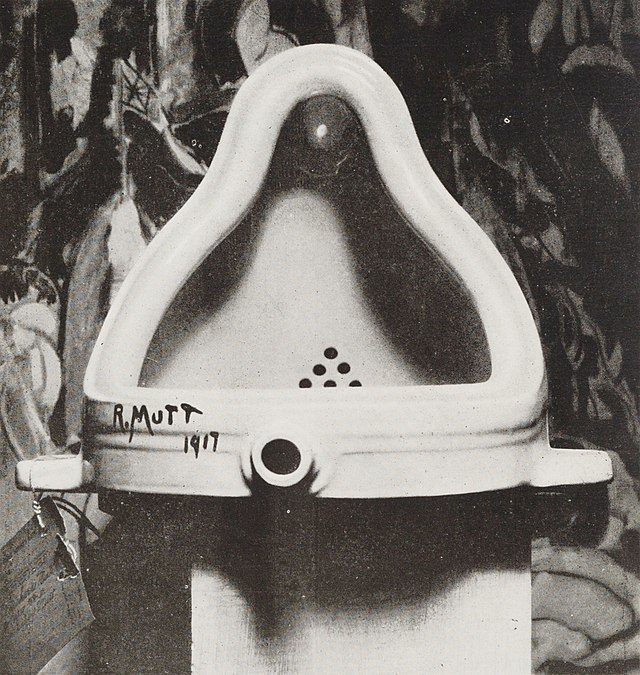
I think this marks the difference between modernism and postmodernism. The modernism of the early 20th century saw Western civilization as in a state of collapse, lamented the fact, and sought with little hope for solutions. The postmodernism of the late 20th and early 21st century sees Western civilization as in a state of collapse, and wants to hasten the process by whatever means necessary.
Eliot or Yeats celebrated the old aristocracy, as a class freed from the tedium of making a living and able to live the aesthetic life. Yeats referred to the need to earn as “this rock” we all live under. Re-reading “The Waste Land,” it is clear Eliot feels contempt for both the working class--Sweeney and Mrs. Porter; and the bourgeoisie--Mr. Eugenides, the one-eyed merchant. He mocks popular art, the music hall and the gramophone, contrasting it with the old high art of the landed aristocracy, which he considers superior. Hesse similarly laments the gramophone.
In sum, when Yeats or Eliot mourn the decline of Western civilization, they are thinking of the decline of the old ruling class; Yeats’ “ceremony of innocence.” This is what died in the First World War. They see this as meaning the decline of the culture itself, into crass “bourgeois” values.
The left, in theory, champions the working class, not the old aristocracy; they agree on hating the bourgeoisie. But this looks like a con. The working class has its own traditions and tends to be conservative. Who the left really are is the remnants or wannabe successors of the old privileged class. They react to their own declining fortunes by wanting to pull down the entire culture instead.
It seems to me the notion that the landed aristocracy has a finer appreciation of the arts is not tenable. Why should it be so?
No doubt the argument is Plato’s, that they are educated into it. But art is inspiration, and the spirit goes where it wants. How many mute inglorious Miltons, in the words of Grey, does a class system exclude from consideration? Shakespeare was from the petit bourgeoisie. Blake was working class. Given all their free time, the aristocracy has contributed surprisingly little to the arts, other than appreciation.
This preference for the upper classes in the judgement of art also violates the teaching of the Bible. That ought to matter to Christians. In the Beatitudes, Jesus calls specifically to the “little ones,” to the poor, the meek, and the oppressed, to “let their light shine,” to be “the salt of the earth,” to express themselves through the arts.
Moreover, they are those who will understand the arts: “those who have ears to hear.”
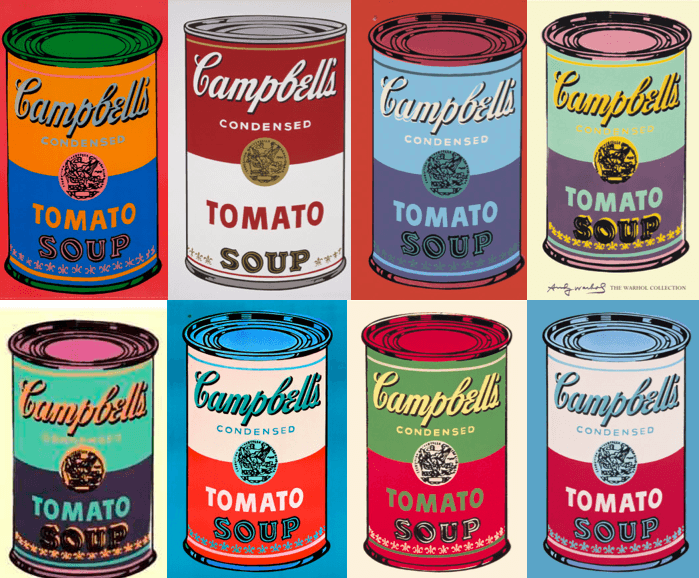
With Andy Warhol, I find greatest beauty in the folk arts, in popular art, and in commercial art. Most recently, in comic books, in folk music, in rock and roll, in some film and TV. Yes, most of it is junk. Most of everything is junk. Great art of the past is just that 5% that was good enough to survive. But much of the current sense that art is moribund is due to looking in the wrong places, at the galleries and concert halls and academies.
There are good cultural and technological reasons for the decline of the old ruling class. What that really was all about was the rise of the lower classes, to greater prosperity, more leisure time, better communication, better access to information, to the arts. The upper class is increasingly superfluous.
We should see as a result a great blossoming of the arts. What we see now is the academy and the old mainstream in a rearguard effort to suppress this great blossoming.
That bloom may come soon.


.jpg)