 |
| Steyn |
In the old days, back in the Medieval university, professors established their careers in two ways: first, by public lecture. If nobody came to listen, they were doomed. Second, by debate. With their knowledge of their field and their ability to think directly challenged, and the chance of public humiliation. The modern thesis examining committee is a vestige of the second practice. These were no doubt unpopular among academics themselves, but they had the great benefit of serving as an objective check. No wonder they have been abolished. Another example of Adam Smith's timeless observation: when people of the same trade get together, for whatever reason, they will immediately conspire against the public interest. The modern practice has devolved into something which now has no protections against the corruption of an academic field, or academics generally; everything is decided by fellow profs. There is the thesis committee; there is the tenure committee; there is the “peer review”of publications that are highly formulaic. There are points for the number of times one's articles are cited—by other academics. There is nothing to see that the general public's needs or interests are being served, although the general public is expected to pay through the nose for it all.
As a result, smart operators can create their own subject, tailor it to their interests, and never be challenged. New, often silly, fields are appearing all the time, and once thy are created, the door is shut to any new or better ideas in that area. Human progress and human knowledge is hindered, not advanced, by this. All in the interests of an entrenched and wealthy group of practitioners.
 |
| Farage |
Happily, the Internet may be changing that. We may be going back to the old ways. First, by making public lectures widely accessible, thanks to MOOCs, TED Talks, EdX, Coursera, and their ilk. There is now, for the first time in a long time, an actual advantage to being a good lecturer, a good teacher. Second, by reviving the art of public debate, the results widely available on YouTube at any time. Here in the bracing air of public debate is where good ideas really thrive, and bad ideas come to die.
You want to watch a really good recent debate? Try the Munk Debate on refugee policy
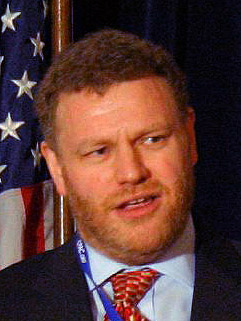
here. The Con side was represented by an all-star team of Nigel Farage and Mark Steyn, both wonderful to listen to. Getting both of them on stage, the one flown in from Europe, the other from the US, was quite a coup. They dominated, and won handily by audience vote.
But then, I think the representatives of the Pro side were less stellar: Louise Arbor, and a relatively unknown New York Art History professor, Simon Schama. Not sure they were the best spokespeople available, although I can easily believe they were the best the Munk people could find willing to go toe to toe with the devastatingly effective Steyn and Farage.





 Posts


